Commercial Energy Resilience: When Solar, Battery Storage, and Microgrids Work Together
Build Resilience Into Your Energy Strategy
For a commercial property, an outage is not just an inconvenience.
It can interrupt production, shut down refrigeration, affect tenant services, stop pumps, disrupt communications, or leave critical building systems unavailable.
That is why energy resilience should be treated as an operational planning issue, not simply a backup-power conversation.
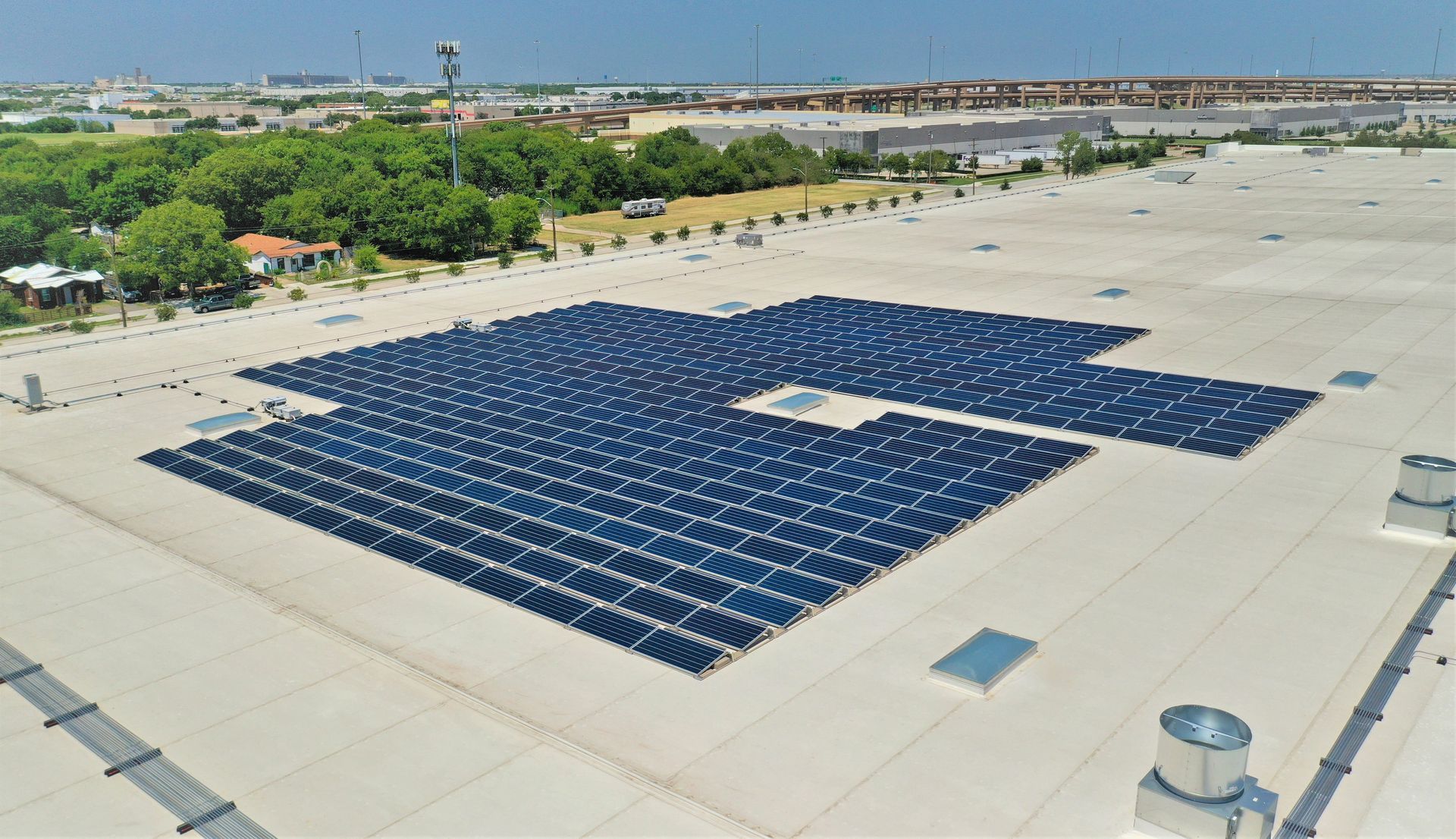
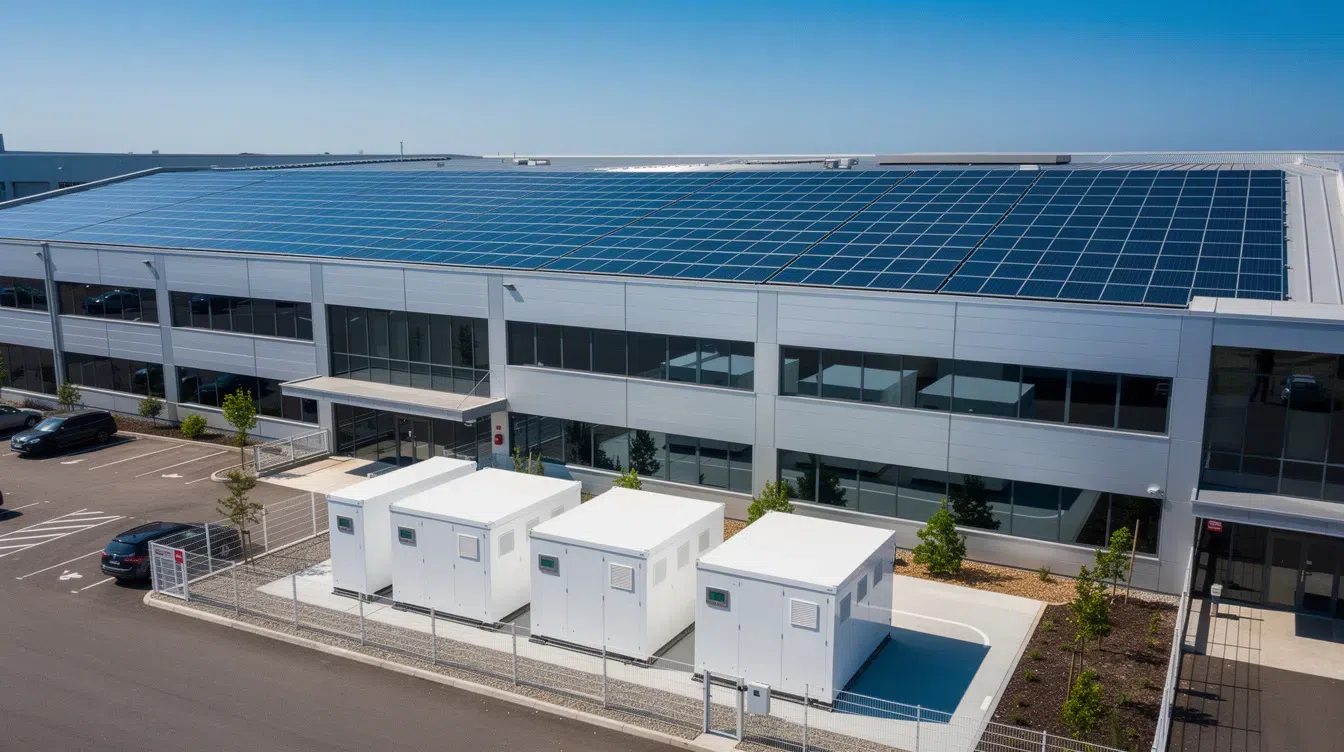
Solar, battery storage, and microgrid-ready systems can each play a different role in a more resilient energy strategy. Solar provides on-site generation. Battery storage adds flexibility by storing electricity for later use. A microgrid can coordinate generation, storage, controls, and critical loads so a facility can manage energy more intentionally, including during certain grid disruptions.
But resilience is not achieved by adding technology for technology’s sake.
The right strategy starts by understanding what the facility actually needs to keep running.
Energy Resilience Starts With the Operations That Matter Most
When property owners think about backup power, the first question is often:
“Can a battery power the whole building?”
That is understandable, but it is usually not the best place to begin.
A more useful question is:
“If the grid went down, what absolutely needs to stay operational?”
For one facility, that may be refrigeration. For another, it may be security, communications, pumps, building controls, common-area systems, or a specific production line.
An agricultural property may be most concerned with ventilation or water systems. A multifamily affordable housing property may prioritize essential common-area loads and life-safety systems. A warehouse may need communications, loading operations, or temperature control. A nonprofit or community facility may have entirely different priorities.
Identifying those critical loads is the foundation of a meaningful resilience plan.
It determines how much power is actually required, how long that power may need to be available, and whether solar, storage, a microgrid-ready design, or another approach should be evaluated.
What Role Does Solar Play in Energy Resilience?
Solar provides an on-site source of electricity, but solar panels alone do not automatically keep a business powered when the grid goes down.
Standard grid-connected solar systems are generally designed to shut down during certain outages for safety and interconnection reasons. That means a building with solar may still lose power unless the system includes the proper storage, controls, and electrical design for backup operation.
This is an important distinction because solar generation and resilience are related, but they are not the same thing.
Solar can become part of a resilience strategy when it is coordinated with battery storage and equipment designed to safely manage power during a grid interruption.
In that setup, solar may help recharge batteries during daylight hours, depending on system configuration and operating conditions.
The result is not simply “solar during an outage.” It is a coordinated energy system designed around the facility’s priorities.
Battery Storage Adds Flexibility
Battery storage changes the conversation because it gives a facility greater control over when electricity is used.
During normal operation, a battery may charge when solar production is available or when grid electricity is less costly, then discharge later when facility demand rises.
That flexibility can support more than one business objective.
PurePoint Energy positions commercial battery storage around peak-demand management, load shifting, improved energy reliability, and greater control over long-term energy costs. Its storage systems are designed around the facility’s actual usage, rate structure, electrical infrastructure, site conditions, and resiliency goals rather than a standard one-size-fits-all configuration. PurePoint Energy
For some properties, that may mean using storage to help manage demand charges.
For others, outage support may be the greater priority.
The same battery technology can serve different purposes depending on how the system is designed and controlled.
Battery Storage Is Not Only About Backup Power
Backup power tends to get the most attention, especially after storms or outages, but resilience planning is broader than emergency response.
A commercial battery may also help a facility manage short periods of high demand, shift energy use to different times of day, or reduce reliance on the grid during high-cost periods.
That matters because operational resilience includes both the ability to respond to an outage and the ability to manage energy more effectively during normal business conditions.
For a facility with large electrical loads, a short demand spike can have financial consequences even when the grid is operating normally.
Battery storage may help reduce those peaks by discharging at strategic times. This is often called peak shaving or peak-demand management.
Storage may also support load shifting, where energy is stored during one period and used later when it is more valuable to the facility.
The opportunity varies from property to property, so the financial case should always be evaluated using actual utility data and operating patterns rather than assumed savings.
What Is a Commercial Microgrid?
A commercial microgrid is a localized energy system that coordinates multiple energy resources and loads within a property or group of facilities.
A microgrid may include solar generation, battery storage, generators, energy-management controls, and selected critical loads.
What makes the system different from a basic solar-plus-storage installation is the level of coordination and control.
A properly designed microgrid can manage how those resources work together and, in certain configurations, allow part of the facility to operate independently from the larger utility grid during an outage.
This is sometimes referred to as islanding.
For organizations where continuity is especially important, a microgrid can provide a more advanced approach to resilience than a simple backup battery.
PurePoint Energy currently describes its commercial offering as including solar PV, battery storage, and microgrid-ready energy systems intended to improve resilience and support greater energy independence.
When Does a Microgrid Make Sense?
Not every commercial property needs a microgrid.
For many businesses, solar alone or solar paired with battery storage may address the primary energy goals.
A microgrid becomes more relevant when operational continuity carries a higher level of importance.
That may include facilities where power interruptions could affect production, food storage, agricultural systems, tenant services, communications, or community operations.
Microgrids may also be considered when a facility wants greater control over multiple energy assets or when the property has complex critical-load requirements.
The decision should come after understanding what the organization is trying to protect and how long those operations may need to remain available.
How Long Can a Commercial Battery Provide Backup Power?
There is no universal answer.
Backup duration depends on the relationship between the battery and the loads it is supporting.
A large battery supporting a small group of critical loads may provide useful backup for much longer than the same battery trying to power an entire facility.
Duration is influenced by battery capacity, power output, facility load, system controls, available solar production, and how long the outage lasts.
That is why critical-load planning matters so much.
Instead of sizing a system around every electrical device in the building, many organizations begin by identifying the equipment that truly cannot go offline.
From there, the project team can model how much storage would be needed to support those loads for a defined period.
Resilience and Energy-Cost Control Can Be Part of the Same Strategy
Energy resilience and financial planning do not have to be separate conversations.
The same battery system designed to support critical loads may also provide value during normal operation through demand management or load shifting.
Likewise, solar can support long-term energy planning while also providing on-site generation that may complement storage.
The key is to design the system around multiple priorities from the beginning.
For example, a facility may care about:
reducing exposure to peak demand, maintaining certain operations during outages, preparing for future electrical loads, or improving long-term energy control.
A properly designed system can evaluate those objectives together instead of treating resilience as a standalone emergency feature.
Why Site-Specific Analysis Matters
Two buildings that look nearly identical from the outside can have very different energy needs.
One may operate only during weekday business hours. Another may run equipment around the clock. One may have large refrigeration loads. Another may experience short, intense demand peaks.
Those differences directly affect whether solar, storage, or a microgrid makes sense.
PurePoint Energy’s commercial storage process begins by reviewing energy usage, utility rate structure, interval data, electrical infrastructure, and business goals before recommending a system design.
That analysis helps answer questions such as:
- How large does the battery need to be?
- Which loads should be prioritized?
- Is demand-charge management a meaningful opportunity?
- Should solar and storage be planned together?
- Does the property need microgrid-ready controls?
Without that information, resilience planning becomes guesswork.
Planning for Resilience Before the Next Outage
Storms and outages have a way of making energy reliability feel urgent.
But the best time to plan for resilience is before the next interruption occurs.
Engineering, electrical upgrades, interconnection, permitting, system design, and financing can all take time. Waiting until after a major outage may mean the facility remains exposed through the next one.
For commercial property owners, nonprofits, agricultural operations, affordable housing communities, warehouses, schools, and other facilities with meaningful critical loads, resilience planning can be incorporated into broader capital and energy planning.
That does not mean every property needs a battery or microgrid.
It means every property should understand what an outage would affect and whether those risks justify a more resilient energy strategy.
Solar, Storage, or Microgrid: Start With the Goal
There is no single technology that automatically creates resilience.
Solar provides generation.
Battery storage provides flexibility.
A microgrid adds a higher level of coordination and control.
The right combination depends on the facility’s operations, electrical infrastructure, utility environment, critical loads, and long-term goals.
For some properties, solar may be enough.
For others, storage can add meaningful flexibility.
And for facilities where continuity is especially important, a microgrid-ready strategy may be worth evaluating.
The goal is not to install more technology.
The goal is to build an energy plan that reflects how the property actually needs to operate.
Wondering How Resilient Your Facility Really Is?
The right resilience strategy starts with understanding how your property uses energy and which operations matter most when the grid is unavailable.
PurePoint Energy serves commercial organizations across Connecticut, Rhode Island, Massachusetts, and Westchester County with customized commercial solar, battery storage, and microgrid-ready energy solutions.
Commercial Energy Resilience FAQs
Can solar panels power a business during an outage?
Not by themselves in most standard grid-connected systems. Solar systems typically require battery storage, appropriate controls, and electrical equipment designed for backup operation to provide power during a grid outage.
What is a commercial microgrid?
A commercial microgrid is a localized energy system that can coordinate resources such as solar, battery storage, generators, and critical loads. Depending on the design, it may be able to operate independently of the utility grid during certain outages.
How long can a commercial battery provide backup power?
It depends on battery capacity, power output, the electrical load being supported, available solar production, system design, and the duration of the outage. A site-specific analysis is required to estimate backup duration accurately.
Does every business need battery storage?
No. Battery storage is most useful when it addresses a specific operational or financial need, such as critical-load support, demand-charge management, load shifting, or resilience. Some properties may be better served by solar alone.
Can battery storage help reduce demand charges?
In some cases, yes. A properly designed system may discharge during periods of high facility demand and help reduce demand-related costs. Actual savings depend on the utility rate structure, operating profile, and battery design.
Is a microgrid the same as solar plus battery storage?
Not necessarily. Solar plus storage can be part of a microgrid, but a microgrid typically includes additional controls and coordination that manage how generation, storage, and loads interact.
Recent Posts