Commercial Solar Planning Checklist: What to Prepare Before Requesting a Proposal
What to know before requesting a commercial solar proposal.

If your organization is beginning to explore solar, the most important step is not requesting a proposal; it’s preparing the right information first.
A commercial solar system is never designed in isolation. It is shaped by how your facility operates, how much energy it uses, the condition of the property, and what your organization is trying to achieve long-term. When those details are clearly understood from the beginning, the entire evaluation becomes more accurate, more efficient, and far more valuable.
For commercial property owners, nonprofits, schools, agricultural operations, affordable housing communities, and real estate investors, this preparation helps ensure that early conversations lead to meaningful, data-driven recommendations—not generic system estimates.
Below is a practical checklist to help you prepare for a commercial solar consultation.
Start With a Clear Energy Picture: Why Utility Data Matters Most
Every commercial solar conversation begins with one essential question: How is your property currently using electricity?
Utility data provides the foundation for everything that follows. It allows a solar professional to understand not just how much energy your facility consumes, but how that consumption changes over time. Seasonal shifts, operational cycles, and demand spikes all become visible when enough history is available.
In most cases, reviewing a full year of utility bills is the minimum requirement. However, when 24 months of data is available, it often provides a more complete and reliable picture of long-term energy behavior.
This information helps establish a baseline for system sizing, financial modeling, and potential storage evaluation.
How many months of utility bills are needed for a commercial solar evaluation?
A minimum of 12 months of utility bills is typically required for an accurate commercial solar assessment. When available, 12 to 24 months provides a more detailed understanding of seasonal usage patterns and demand fluctuations.
At PurePoint Energy, this data is one of the first inputs used in evaluating system design and project economics.
Understanding Your Property: The Physical Foundation of Solar Design
Once energy usage is understood, the next step is evaluating where solar could physically exist on your property. This is where the design process begins to take shape.
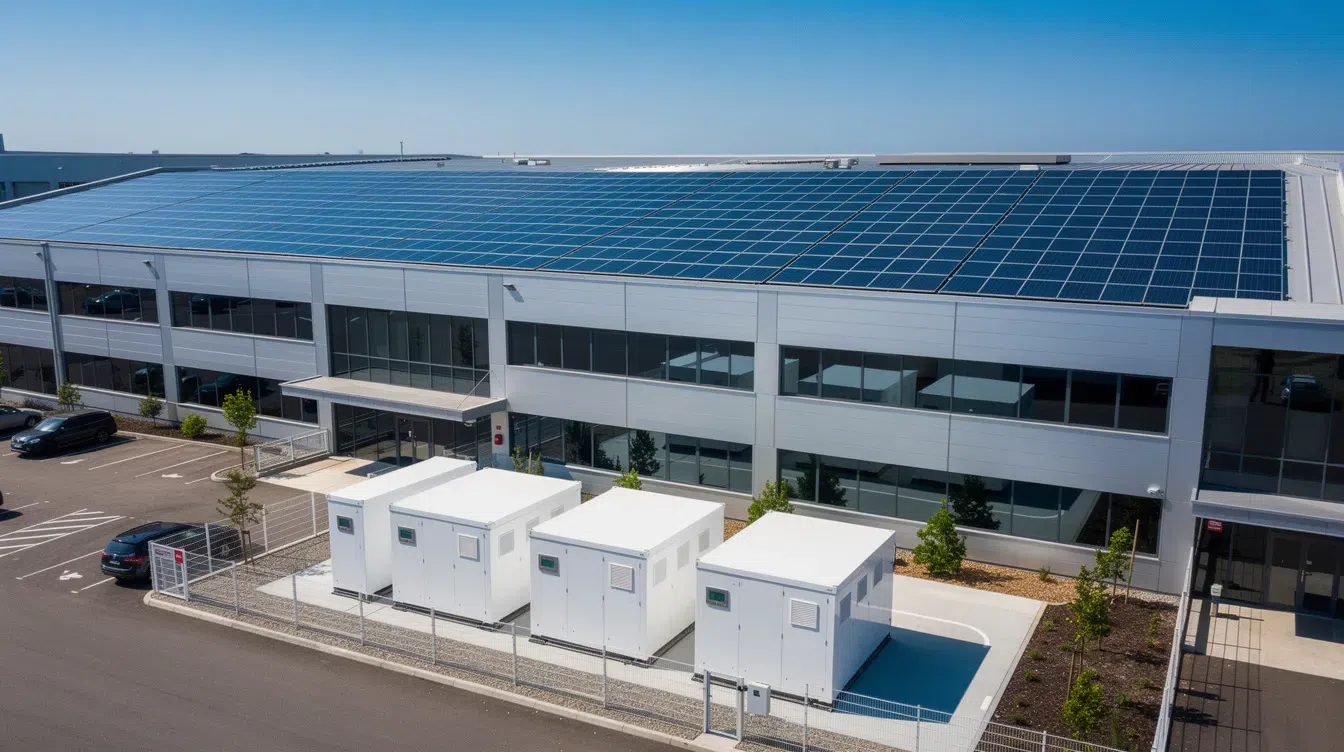
Commercial solar systems can be installed in a variety of locations depending on site conditions. Rooftops are common, but they are not the only option. Many properties also support ground-mounted systems, agricultural structures, warehouse facilities, or parking areas designed for solar carports.
At this stage, the goal is not to design the system yourself. Instead, it is to provide a clear understanding of the property layout so the solar team can identify opportunities and constraints.
Can parking areas or open land be used for commercial solar?
Yes. Depending on site conditions, commercial solar can be installed on rooftops, open land, agricultural buildings, or parking areas through solar carport systems. A site evaluation determines the most effective configuration for each property.
Roof Condition and Longevity: Planning for Long-Term Performance
For rooftop solar projects, the condition of the roof is one of the most important planning considerations. Because solar systems are long-term assets, they must be installed on surfaces that can support them for decades of performance.
A roof that is nearing the end of its useful life may not be the best candidate for immediate installation. In those cases, coordinating roofing work and solar planning together can prevent unnecessary future costs or system removal.
Understanding roof age, material type, and maintenance history helps ensure that solar is installed at the right time and in the right way.
Does a property need a new roof before installing solar?
Not necessarily. Many existing roofs are suitable for solar installation. However, the roof’s age, condition, and expected remaining lifespan must be evaluated. If major roof replacement is anticipated soon, it may be beneficial to complete that work before installing solar.
The key is coordination—not assumption.
When and How Your Facility Uses Energy
Energy consumption is not just about how much electricity your facility uses; it is also about when that energy is used.
For many commercial properties, operating schedules and peak usage periods play a major role in determining system design. Facilities that operate during daytime hours may align differently with solar production than those with evening or 24/7 operations.
Understanding these patterns is especially important when evaluating whether battery storage may add value. Storage systems can shift energy usage, reduce peak demand, and provide greater control over when electricity is consumed.
This is why operational behavior is just as important as utility data.
Planning for the Future: Growth, Expansion, and Change
A well-designed solar system should reflect not only current energy use, but also future expectations for the property.
Many commercial facilities experience changes over time—whether through expansion, equipment upgrades, tenant changes, or electrification initiatives. These shifts can significantly impact energy demand.
By identifying planned changes early, you allow the solar design to account for future conditions rather than only present-day usage.
This forward-looking approach helps ensure the system remains effective and appropriately sized over its lifetime.
Electrical Infrastructure: The Technical Backbone of Your System
Every commercial solar project must integrate with existing electrical systems. While this is handled by engineers and installers, having a general understanding of your infrastructure helps streamline the evaluation process.
Key considerations include service capacity, switchgear, interconnection points, and any existing energy systems such as generators or backup power.
If available, electrical drawings or system documentation can provide valuable insight during early planning stages.
Defining Your Project Goals: What Do You Want Solar to Achieve?
Before discussing system size or design, it is important to define what success looks like for your organization.
Some properties prioritize long-term cost savings, while others focus on sustainability goals, energy resilience, or making better use of underutilized space. In many cases, multiple objectives overlap.
Clarifying these priorities early helps guide system design, financial modeling, and technology selection, including whether battery storage should be included in the solution.
Solar is not just an energy system. It is a strategic asset, and its design should reflect that.
Understanding Investment Structure and Financial Approach
Commercial solar projects can be structured in several different ways depending on the property, financial goals, and available programs.
Some organizations choose to own their system outright, while others explore financing options or third-party structures that reduce or eliminate upfront capital requirements. In certain cases, property owners may also generate value by leasing available roof, land, or parking space.
Because incentives, utility programs, and compensation structures vary, it is important to evaluate financial options alongside system design rather than treating them separately.
A well-structured project aligns technical performance with financial strategy.
Energy Resilience and Backup Considerations
For many organizations, solar planning extends beyond cost savings. It also includes the question of operational continuity during power interruptions.
If your facility depends on refrigeration, production systems, tenant services, or critical operations, energy resilience may be an important factor in system design.
In these cases, battery storage or microgrid-ready systems may be considered to support essential loads during outages. The appropriate solution depends on the level of backup required and the specific operational needs of the facility.
Budget and Timeline: Setting Realistic Expectations Early
While exact pricing is determined during the evaluation process, having a general understanding of budget expectations and project timing helps guide early discussions.
Internal approval processes, construction schedules, and capital planning cycles all play a role in how and when a project moves forward. Beginning the conversation early allows more time for engineering, permitting, utility coordination, and financial review.
Commercial solar projects are most successful when they are planned proactively rather than reactively.
What to Have Ready Before a Commercial Solar Consultation
You do not need a complete engineering package to begin the process. However, having a few key items available will make your initial consultation significantly more productive.
At a minimum, most organizations benefit from having utility history, property details, roof or site information, operating schedules, and a general understanding of project goals and budget expectations.
If some of this information is not available, it is still appropriate to begin the conversation. A qualified solar partner can help identify what is needed next.
What Happens After You Share This Information?
Once the initial information is gathered, the process typically moves into a preliminary assessment phase. This includes reviewing energy usage, evaluating site conditions, and developing early system concepts.
From there, the project progresses into more detailed design, engineering, permitting, utility coordination, installation, and long-term system support.
The goal of this process is not simply to determine whether solar is possible—but to determine how solar and energy storage can best support the property’s long-term operational and financial strategy.
Start With the Right Information
The most successful commercial solar projects begin long before installation. They begin with clarity about energy use, property conditions, and organizational goals.
When those elements are understood early, the result is a more accurate design, a more efficient process, and a system that better supports long-term performance.
For organizations across Connecticut, Rhode Island, Massachusetts, and Westchester County, PurePoint Energy provides commercial solar and battery storage solutions designed to help property owners make informed, strategic energy decisions.
Plan Today. Power Tomorrow. Plug Into The Sun.
Ready to Understand Your Property’s Solar Potential?
Whether you manage a commercial facility, nonprofit, school, agricultural property, or multi-site organization, the first step is understanding what your property can realistically support.
Commercial Solar Planning FAQs
How many months of utility bills should I provide?
A minimum of 12 months of utility bills is recommended. If available, 24 months provides a more complete view of seasonal energy use and demand patterns.
Does my commercial building need a new roof before installing solar?
Not necessarily. Many roofs are suitable for solar, but their age, condition, and remaining lifespan must be evaluated. If roof replacement is expected soon, it may be beneficial to complete that work before installation.
What types of commercial properties can go solar?
Commercial buildings, warehouses, schools, nonprofits, agricultural facilities, multifamily housing, and parking areas can all be candidates depending on site conditions and energy needs.
Should battery storage be considered with solar?
In many cases, yes. Storage can help manage peak demand, improve energy flexibility, and support resilience. However, its value depends on the facility’s usage patterns and goals.
Do I need to know my system size before starting?
No. System sizing is determined during the evaluation process based on energy data, site conditions, and project objectives.
Can I explore solar without upfront capital?
Yes. Depending on the project, financing, leasing, or third-party ownership structures may be available. Each option should be evaluated based on financial and operational goals.
Recent Posts